
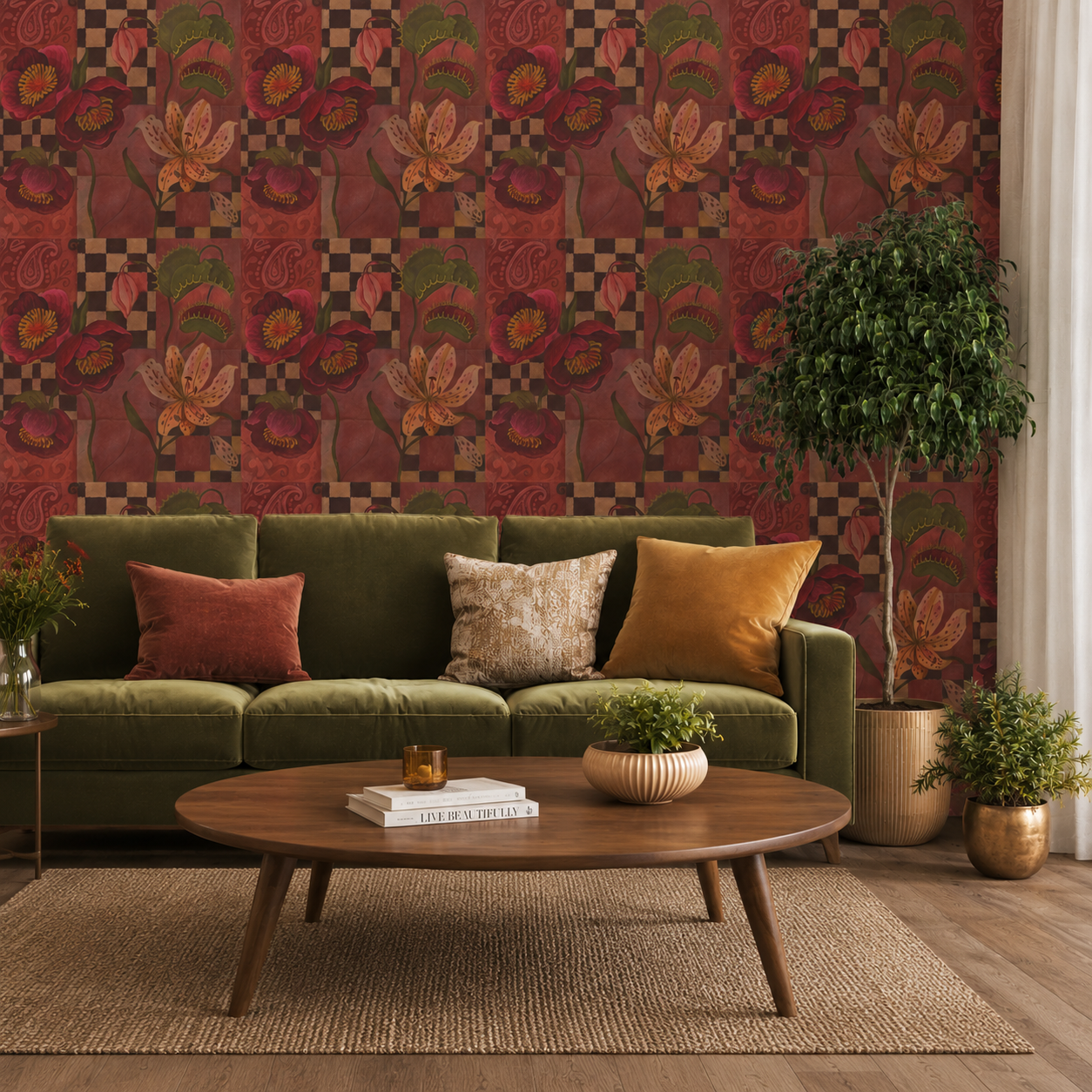
Finding the Right Wallpaper
Not all wallpaper is made the same, and the right choice depends on where it's going and how much life it needs to hold up to.
Peel and Stick is the most forgiving — it goes up easily, comes down cleanly, and is a great option if you're renting, redecorating often, or just want to try a pattern without the commitment.
For something more permanent, traditional wallpaper comes in several finishes, each with its own feel. Smooth gives you a clean, classic surface. Grasscloth and Linen bring in natural texture — slightly irregular, warm, and layered in a way that makes a room feel more considered. Suede is the most tactile of the group, with a soft, velvety finish that adds depth even in a neutral colorway.
If you're papering a high-traffic space — a hallway, a kitchen, or a commercial room look for anything rated Type II. It's a durability standard that means the wallpaper is built to take more wear without showing it.
When in doubt, order a sample. The difference between these finishes is something you really feel in person.
Wallpaper For Any Space -
Wallpaper For Any Space -
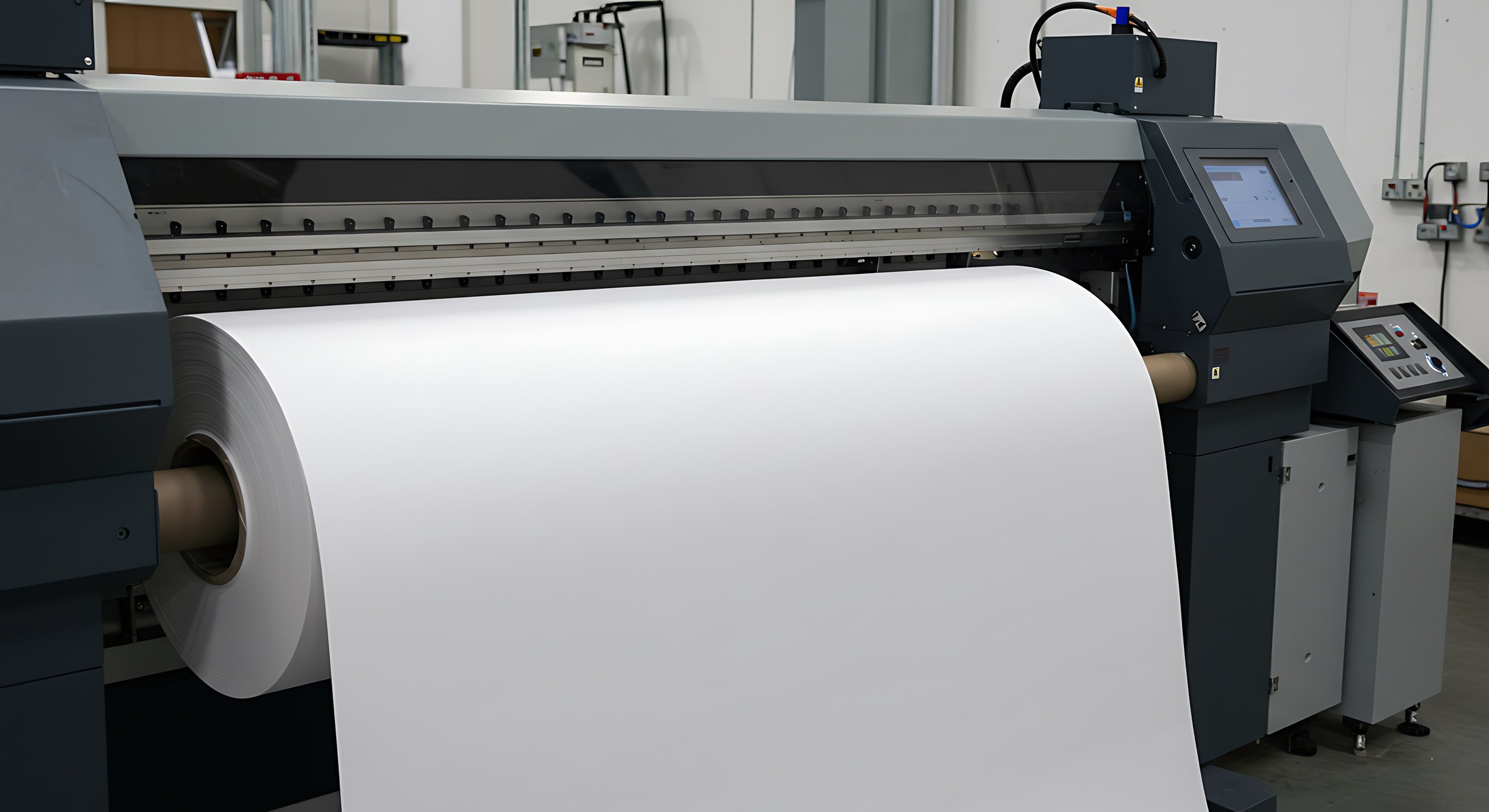
All MELT wallpaper is made to order and printed in the USA. Each order is produced at the time of purchase, in the exact quantity needed for your project.
Because every roll is custom printed, all sales are final. Before anything goes to print, MELT will work with you directly to confirm quantities, account for pattern repeat, and make sure the order is right from the start.
Measuring Your Wallpaper
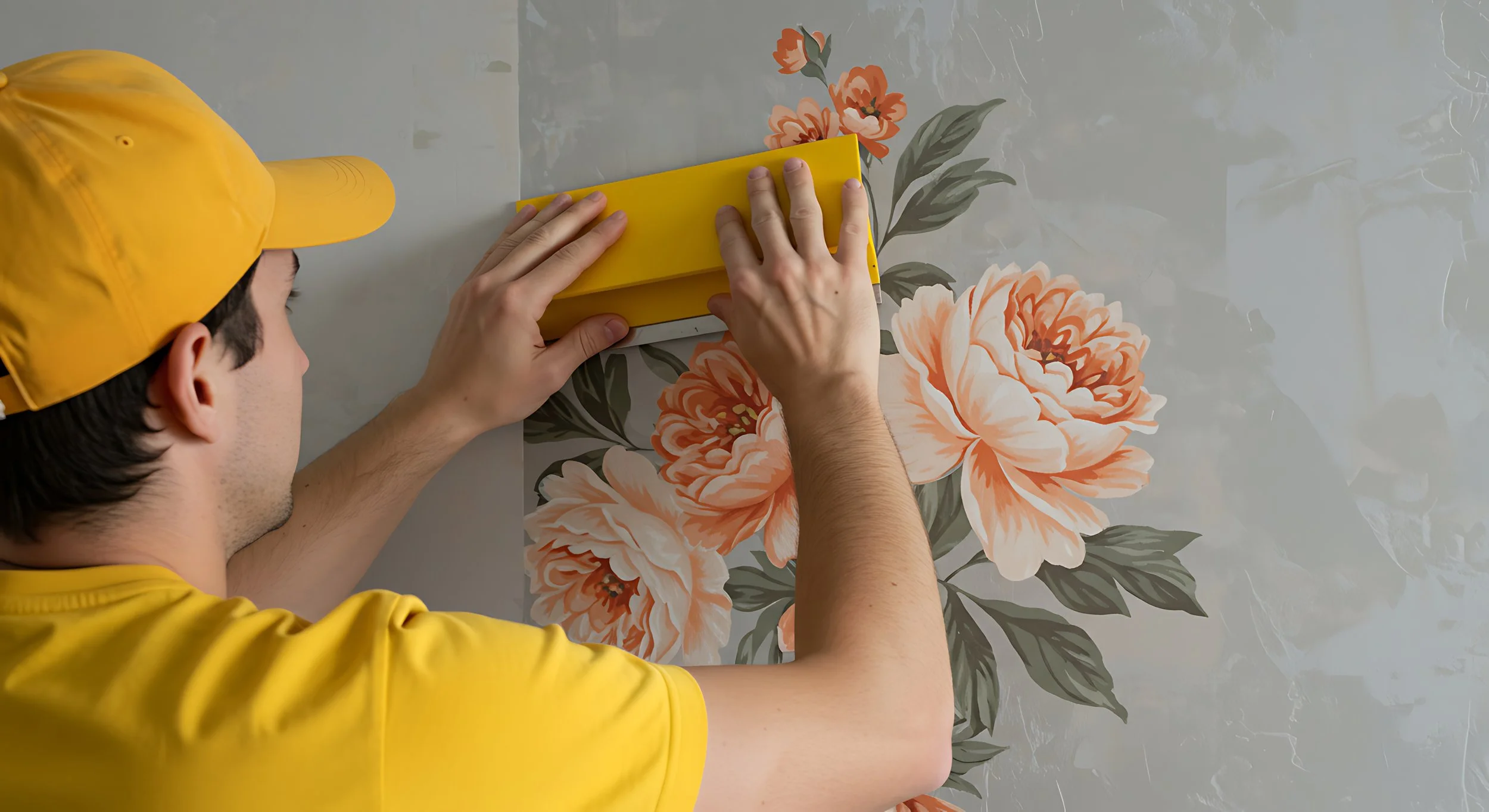
Measuring accurately is the best way to ensure your wallpaper installs beautifully and that you order the right number of panels. Walls and ceilings are rarely perfectly straight, so we plan with a little generosity to support clean seams, pattern alignment, and a professional finish
1. Measure the Height of Your Wall
Using a tape measure, record the height from: the top of the baseboard to the ceiling (or crown molding)
Take measurements in at least two or three spots along the wall. Walls can dip or slope slightly so use the tallest height you measure. This helps ensure: full coverage during install, room for trimming at the top + bottom, and cleaner pattern alignment across panels.
2. Measure the Width of Each Wall
Measure the width of every wall you plan to cover. If you’re wallpapering more than one wall: Measure each wall separately then add all widths together
This gives you your total coverage width — which the calculator uses to estimate how many 24” panels you’ll need.
3. Don’t Subtract Doors, Windows, or Built-Ins
We recommend measuring as if the wall is continuous, even if there are: doors, windows, fireplaces, niches or openings
Your installer will trim around those areas during installation. This approach supports: seamless pattern flow across the wall, fewer interruptions in the design, and more flexibility if adjustments are needed on-site, and ensures that you don’t run short.
Use our Wallpaper Panel Calculator to estimate how many panels you’ll need for your project — and which panel size to select when ordering.